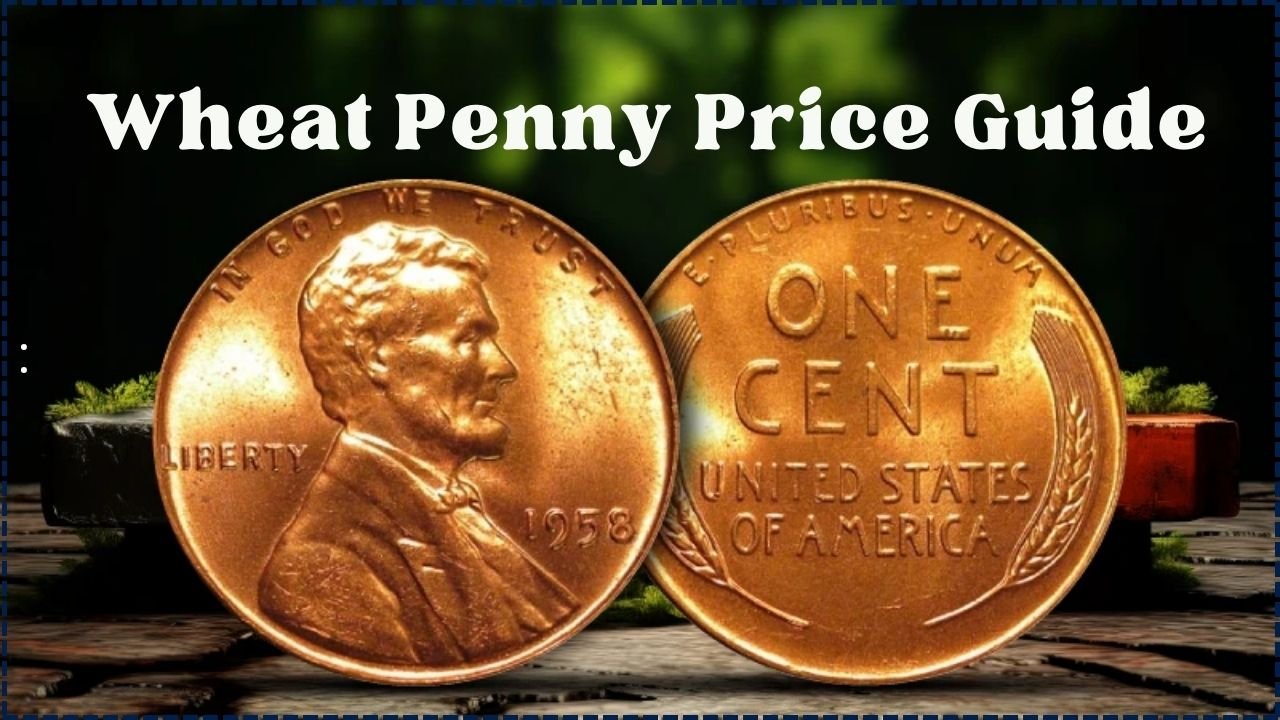

The Lincoln Wheat Penny has been a cornerstone of American currency for decades. Minted between 1909 and 1958, these pennies feature an iconic design with Abraham Lincoln on the obverse and two stalks of wheat on the reverse.
The simple, yet powerful design has made the coin a favorite of collectors and a symbol of American history. However, beyond its historical significance, the Lincoln Wheat Penny has also made headlines recently due to certain rare coins, such as the 1943 Lincoln cent, being valued at a staggering $575,000. This has led to widespread attention, with many wondering if they might have a valuable penny lying around in their spare change. But are these rare coins still circulating, or are they merely a thing of the past?
In this article, we’ll explore the fascinating world of Lincoln Wheat Pennies, how some can be worth incredible amounts, and whether or not a $575,000 penny is still in circulation. We’ll delve into the conditions that make these coins so valuable and how collectors and dealers evaluate them. Along the way, we’ll also take a closer look at the most common types of valuable Lincoln Wheat Pennies and where you can find them.
Table of Contents
Lincoln Wheat Penny: History and Value
The Lincoln Wheat Penny, first introduced in 1909, replaced the Indian Head penny and was minted until 1958. It features a design by Victor David Brenner, which includes a portrait of Abraham Lincoln on the front and two ears of wheat on the back. This simple yet elegant design has made the penny a beloved piece of American numismatic history. While most of these coins are worth just one cent today, certain rare Lincoln Wheat Pennies are incredibly valuable.
The value of a Lincoln Wheat Penny can vary greatly depending on factors such as the year of minting, the condition of the coin, and whether it has any unique features or errors. Most pennies are worth little more than their face value, but some rare coins, especially those with errors or minting anomalies, can be worth thousands of dollars. One of the most famous examples is the 1943 Lincoln Cent, which was accidentally struck on a bronze planchet instead of steel. These rare pennies can fetch hundreds of thousands of dollars, and in some cases, over $1 million, depending on their condition and rarity.
This has led to the myth that there are $575,000 pennies still floating around in circulation. While it’s true that certain Lincoln Wheat Pennies are worth significant amounts, the likelihood of finding a rare, high-value penny in your pocket change is extremely low.
Overview Table About Lincoln Wheat Penny Valued at $575K
| Year | Error Type | Potential Value | Minting Details |
|---|---|---|---|
| 1943 | Struck on copper | $575,000+ | This error coin was mistakenly struck on bronze planchets, which were meant for other coins. |
| 1909-S VDB | Mintmark and designer’s initials | $100,000+ | The 1909-S VDB is one of the most famous and sought-after coins in the series, featuring the initials “VDB” (for Victor David Brenner) on the reverse. |
| 1914-D | Low mintage | $20,000+ | Known for its low mintage and high demand, this penny is one of the most valuable Lincoln Wheat Pennies. |
| 1922 | Weak strike | $20,000+ | The 1922 penny, with a weak or missing mintmark, is another error coin with significant value. |
Why Some Lincoln Wheat Pennies Are Worth So Much
Several factors contribute to the value of certain Lincoln Wheat Pennies. While the average penny from this era is worth only its face value, some coins stand out due to specific errors, low mintage, or unusual features that make them highly sought after by collectors.
1. Error Coins
One of the most significant factors driving the value of a Lincoln Wheat Penny is whether it is an error coin. Error coins are those that have been struck incorrectly, leading to variations in the design. Some of the most famous errors in Lincoln Wheat Pennies include those struck on the wrong type of metal or with misaligned dies. These rare errors are extremely valuable because they represent a deviation from the standard design, making them unique and highly collectible.
A famous example of an error coin is the 1943 copper Lincoln cent. During World War II, the U.S. Mint was directed to produce pennies made of steel due to copper shortages. However, a small number of copper planchets were mistakenly used for minting, leading to the creation of a highly valuable 1943 copper penny. These coins are extremely rare, and examples in good condition have been sold for as much as $575,000 or more.
2. Low Mintage
Another reason some Lincoln Wheat Pennies are worth so much is because of their low mintage. Certain years, such as the 1909-S VDB penny and the 1914-D penny, were produced in limited quantities, making them rarer and more valuable. Collectors are often willing to pay a premium for these coins, especially in excellent condition. The 1909-S VDB penny is particularly famous because it is one of the first pennies to feature the initials of its designer, Victor David Brenner, on the reverse. This penny is so sought after that it can fetch upwards of $100,000 in high-grade condition.
3. Condition Matters
The condition of a Lincoln Wheat Penny plays a significant role in determining its value. Coins that are well-preserved, with minimal wear and clear details, are worth significantly more than those that are heavily worn or damaged. This is especially true for rarer coins like the 1922 weak-strike penny, which is known for its faint design due to a problem with the minting process. While this coin may not be as rare as some others, its condition and unique features make it valuable in the eyes of collectors.
Are These Rare Lincoln Wheat Pennies Still in Circulation?
The notion that a penny worth $575,000 could be found casually in your spare change is a bit misleading. While it’s true that certain Lincoln Wheat Pennies are worth significant sums of money, these rare coins are not commonly found in everyday circulation. Most collectors and dealers know the value of these coins, and they are typically kept in private collections, stored in safes, or sold through reputable auction houses.
In reality, finding a rare, high-value Lincoln Wheat Penny in circulation is highly unlikely. These coins are either hoarded by collectors or held in vaults by dealers awaiting the right buyer. While it is possible to stumble upon an error coin or a rare penny in your pocket change, the chances are slim. If you do happen to find a valuable coin, it’s essential to have it authenticated by a professional numismatist or coin grading service to determine its value.
Conclusion
The Lincoln Wheat Penny is an enduring symbol of American history, with certain rare coins carrying remarkable value. While most Lincoln Wheat Pennies are worth little more than their face value, some rare and error coins, such as the 1943 copper penny, can fetch hundreds of thousands of dollars. These valuable pennies are typically not found circulating in everyday change, as they are either kept in private collections or held by dealers.
If you have a collection of Lincoln Wheat Pennies, it’s worth having them evaluated by a professional to determine if any of them are valuable. Although the chances of finding a $575,000 penny in circulation are slim, you might be holding onto a rare and valuable piece of American history.